Are you curious about the vocal range and abilities of altos? As a musical term, alto refers to the second-highest part in four-part harmony. Altos are often overlooked but play a crucial role in creating rich and vibrant harmonies. They are an essential component of any choir or group performance, providing depth and balance to the overall sound. In this blog post, we'll explore what altos usually sing, their vocal range, how they produce sound, as well as their unique vocal technique that sets them apart from other singers. So let's dive into the fascinating world of alto singing!
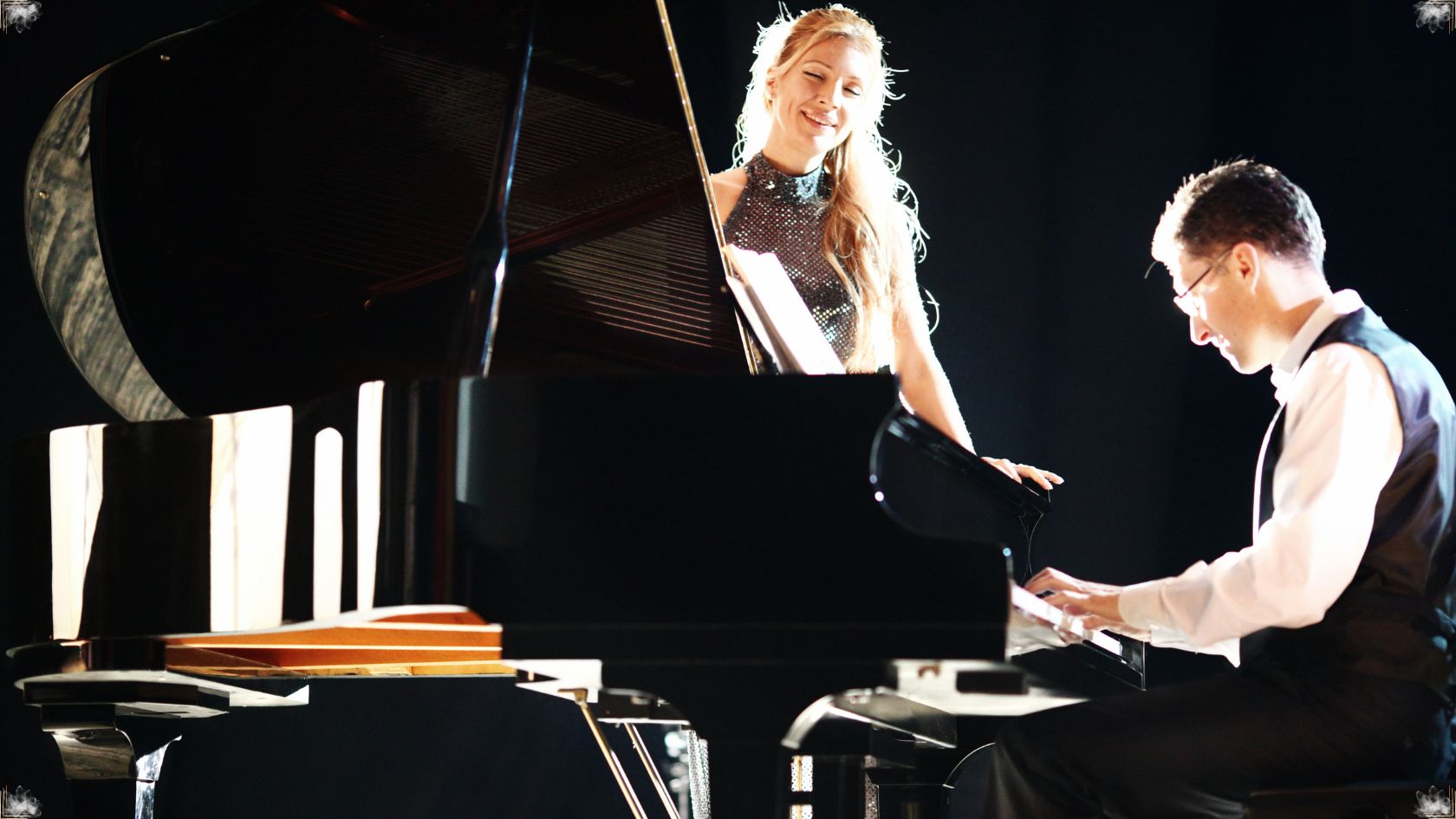
Altos are a type of singer that usually sing in the second-highest part in four-part harmonies. They can be found in choirs, bands, and musicals. Altos have a unique vocal range, which is lower than sopranos but higher than tenors and basses.
Altos often provide depth and balance to music performances by creating rich harmonies with other singers. They have a distinct timbre or tonal quality that sets them apart from other voice types.
Learn this here now
One of the challenges for altos is finding suitable songs to perform since many popular songs are written for higher-pitched voices such as sopranos or tenors. However, there are still plenty of great songs out there that showcase an alto's beautiful voice.
In addition to singing in groups, some altos also pursue solo careers or work as session singers for recording studios. Regardless of how they use their talents, altos bring their unique sound and style to every performance they participate in.
Altos are an essential part of any choir, vocal ensemble or musical production. Altos usually sing in the lower register and have a rich, warm timbre that complements the higher voices perfectly. They provide the foundation for the harmony and help to create a full, balanced sound.
In terms of repertoire, altos can sing anything from traditional hymns to modern pop songs. They often play a supportive role by providing backing vocals or harmonies to lead singers or instrumentalists. However, altos also get their own moments in the spotlight with solos or duets.
Altos frequently sing choral pieces written specifically for them, such as arrangements of folk songs, sacred music and classical works. These pieces allow them to showcase their range and versatility while creating beautiful harmonies with other voice types.
Altos play an integral role in creating memorable performances across all genres of music. Their unique tone adds depth and richness to any piece they perform, making them an indispensable member of any musical group.
Altos are known for their unique vocal range which sits in the middle of the female voice spectrum. Their range typically spans from F3 to F5, a few notes lower than sopranos and higher than mezzo-sopranos.
While some altos may be able to hit high notes like sopranos, they generally find greater comfort singing in their mid-range. This is where they can showcase their rich and warm tone that adds depth to any choral or musical arrangement.
It's important for altos to know their limits and work on expanding their range through proper training exercises. With practice, an alto's range can become more flexible, allowing them to sing comfortably across different genres and styles of music.
When it comes to finding the right songs for an alto voice, there are plenty of options available. From classic ballads that emphasize emotional expression to contemporary pop hits with catchy hooks, there is no shortage of material out there for altos looking to showcase their talents.
In short, while altos may not have the same soaring highs as sopranos or the sultry lows of mezzo-sopranos, they possess a unique vocal quality that makes them stand out in any choir or performance setting.
Altos produce sound using their vocal cords, which are located in the larynx or voice box. The vocal cords vibrate when air from the lungs passes through them, producing a sound that resonates in the throat and mouth.
The vibration of the vocal cords is controlled by muscles connected to them. When these muscles tighten or relax, they change the tension on the vocal cords, altering their pitch and tone.
Altos also use their breath support to control how much air passes through their vocal cords. By controlling their breathing and airflow, altos can create different dynamics and nuances in their singing.
Proper posture also plays a role in how an alto produces sound. Standing up straight with relaxed shoulders allows for better breath support and freedom of movement for the diaphragm.
Resonance chambers such as nasal cavities and sinuses help amplify an alto's sound while giving it warmth and richness. With proper technique, an alto can produce a beautiful and powerful sound that embodies emotion and expression.
The vocal technique of altos is unique and requires a distinct approach to produce the best sound. One important aspect of the alto's vocal technique is breath support. Altos need to have strong breath support to maintain their resonance throughout their range.
Another crucial part of an alto's vocal technique is proper posture. Good posture can help open up the airway and prevent tension in the neck, jaw, and shoulders that can restrict airflow.
Altos must also focus on vowel modification. This means altering vowels slightly to create better resonance and clarity, especially when singing higher notes.
In addition, altos need to practice good diction while singing so that each word is clear and easy for listeners to understand. Clear diction helps convey emotion through song lyrics effectively.
Training with a skilled vocal coach or attending workshops can help an alto fine-tune their technique further. With dedicated effort towards improving these techniques combined with regular practice, an alto can become a highly skilled singer in no time!
To sum up, altos are an essential part of any choir or vocal group. They have a unique range and timbre that adds depth and richness to the overall sound. Altos usually sing harmonies in a lower register but can also take on melodies if needed.
Proper vocal technique is crucial for altos to produce their best sound, including good posture, breathing technique, and resonance placement. Altos must also be aware of their vocal health to prevent strain or injury.
Altos play a critical role in creating beautiful music with their unique voices. Whether they're singing harmonies or leading the melody, altos' contributions are invaluable to any musical performance.